
In the digital era, speed is everything.Poor loading speed impacts both user satisfaction and your position on Google. With Google’s algorithm placing increasing emphasis on Core Web Vitals, website performance has become a crucial ranking factor. But why exactly does speed and user experience matter so much for SEO? Let’s break it down.
What Are Core Web Vitals?
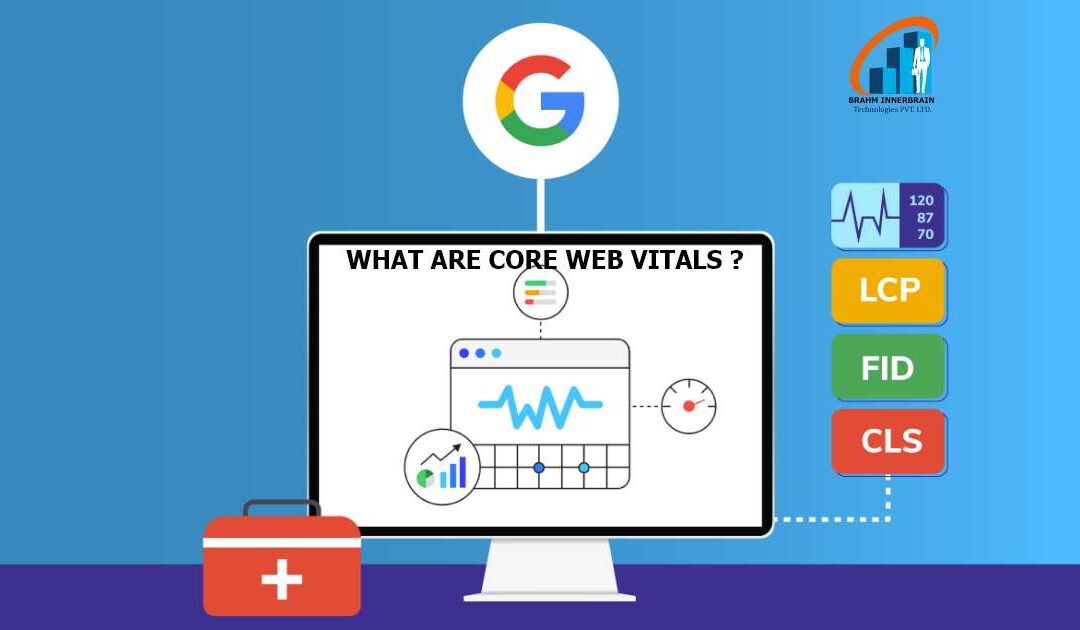
Google’s Core Web Vitals track website performance to ensure users have a fast and seamless experience. They focus on three key aspects:
- Largest Contentful Paint (LCP) – How fast the main content loads.
- First Input Delay (FID) – How quickly a page responds to user interactions.
- Cumulative Layout Shift (CLS) – How stable the visual elements are while loading.
Together, these metrics help Google assess whether your site feels fast, responsive, and user-friendly.

Why Website Speed Matters
- User Experience (UX): Visitors expect instant access. Data shows that slow-loading pages, exceeding 3 seconds, drive users away.
- SEO Rankings: Google favors sites that deliver better UX. Faster websites are rewarded with higher rankings.
Conversions & Engagement: Speed directly impacts bounce rates, session duration, and ultimately, sales or leads.

The Link Between Core Web Vitals and SEO
Google has made it clear: Core Web Vitals are direct ranking factors. Here’s why:
- They measure real-world experience, not just technical speed.
- Google wants to promote sites that provide value and a smooth journey.
- Better Core Web Vitals mean users are more likely to stay, engage, and convert — aligning with Google’s goal of delivering the best results.
How to Improve Website Speed & Core Web Vitals
- Optimize Images – Use next-gen formats (WebP, AVIF) and compress large files.
- Leverage Browser Caching – Reduce load times for repeat visitors.
- Use a CDN (Content Delivery Network) – Deliver content faster globally.
- Minify CSS, JavaScript, and HTML – Remove unnecessary code bloat.
- Enable Lazy Loading – Load images/videos only when they appear on screen.
- Improve Server Response Time – Choose faster hosting and optimize databases.
Conclusion
Website speed and Core Web Vitals aren’t just technical details — they’re critical to SEO success. Google rewards websites that load quickly, respond smoothly, and provide a seamless user experience. By optimizing your site’s performance, you not only climb higher in search rankings but also keep users happy and engaged.
In short: Fast websites win. Slow websites disappear.