
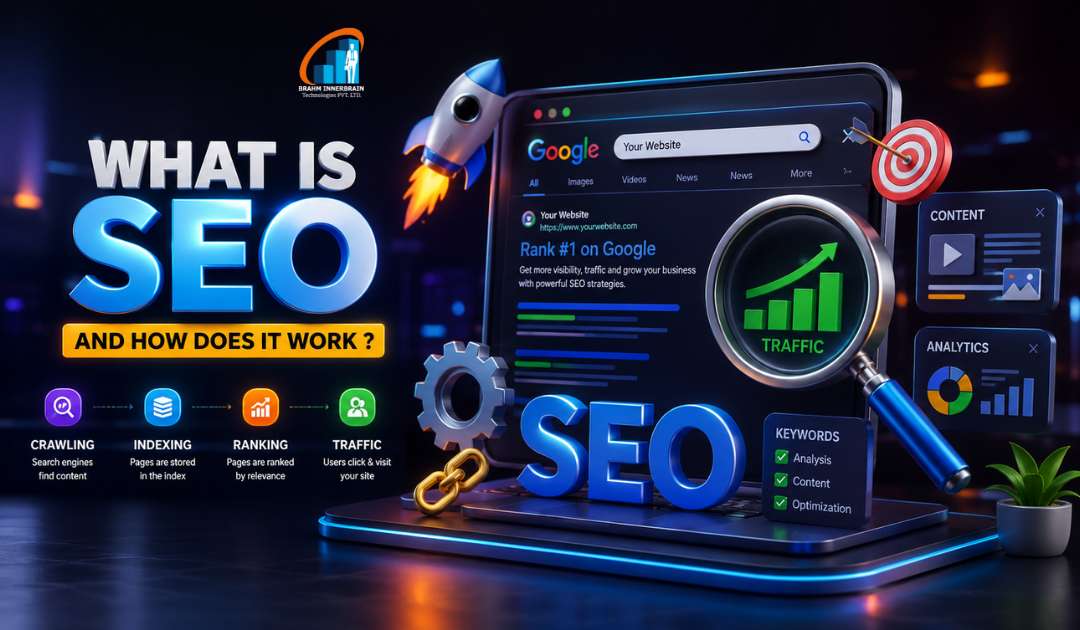
What Is SEO and How Does It Work? A Complete Beginner’s Guide
If you own a website, blog, online store, or business website, you’ve probably heard the term SEO. But what exactly is SEO, and why is it so important?
SEO, or Search Engine Optimization, is the process of improving a website’s visibility in search engine results. When people search for products, services, or information on Google, SEO helps your website appear higher in the search results. The higher your rankings, the more visitors your website can attract.
In today’s competitive digital landscape, SEO is one of the most effective and cost-efficient marketing strategies. Unlike paid advertising, SEO helps generate long-term organic traffic without paying for every click.
Whether you’re a business owner, blogger, marketer, or beginner, understanding how SEO works can help you increase website traffic, build credibility, and generate more leads and sales.
In this comprehensive guide, you’ll learn what SEO is, how SEO works step by step, and how SEO improves website performance.
What Is SEO?
SEO (Search Engine Optimization) is the practice of optimizing a website so that search engines like Google can understand, index, and rank its pages more effectively.
The primary goal of SEO is to improve organic search visibility and attract relevant traffic from search engines.
Simple Definition
SEO helps search engines understand:
What your website is about
Whether your content is valuable
How trustworthy your website is
Whether it deserves a higher ranking
Why Is SEO Important?
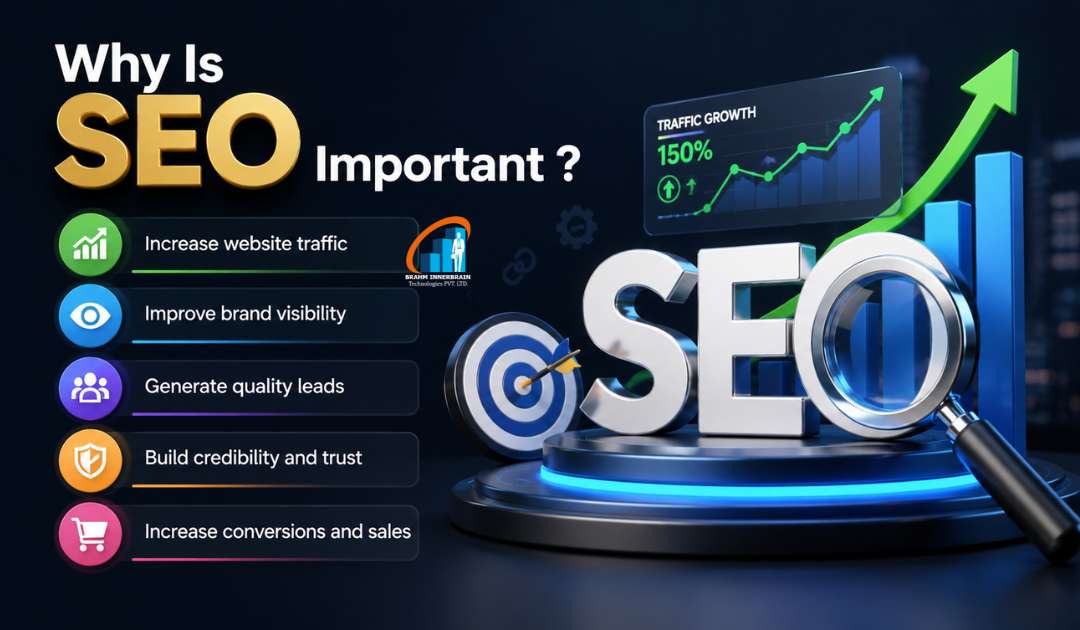
SEO is important because billions of searches happen every day. Most users click results on the first page of Google and rarely visit page two.
A well-optimized website can:
– Increase website traffic
– Improve brand visibility
– Generate quality leads
– Build credibility and trust
– Increase conversions and sales
– Reduce dependence on paid advertising
How Does SEO Work?
Search engines use advanced algorithms to determine which pages should appear for specific searches.
SEO works through three main stages:
1. Crawling
Search engines use bots, often called spiders or crawlers, to discover web pages across the internet.
They scan:
– Website pages
– Images
– Videos
– Internal links
– External links
2. Indexing
After crawling, search engines store information in a massive database called an index.
Pages that are properly optimized are more likely to be indexed successfully.
3. Ranking
When someone searches for a keyword, Google evaluates indexed pages and ranks them based on hundreds of ranking factors.
Important ranking factors include:
– Content quality
– Keyword relevance
– User experience
– Website speed
– Mobile friendliness
– Backlinks
– Domain authority
How SEO Works on a Website
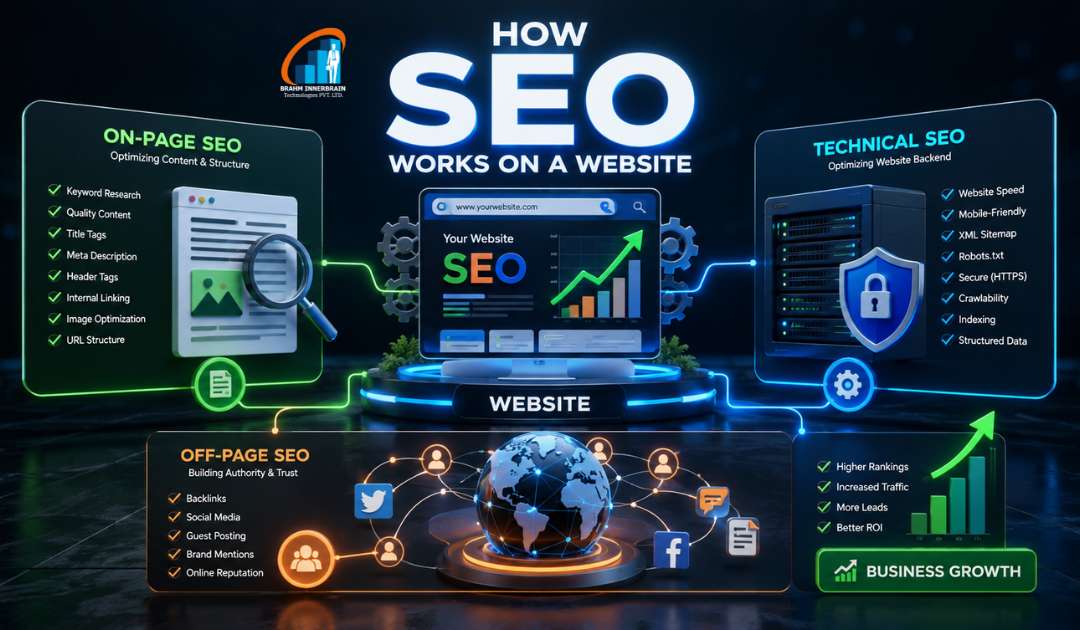
SEO works by improving various elements of your website.
On-Page SEO
On-page SEO focuses on optimizing individual pages.
Examples include:
– Keyword optimization
– Title tags
– Meta descriptions
– Header tags (H1, H2, H3)
– Internal linking
– Image optimization
Example
If you write a blog about “digital marketing tips,” SEO helps search engines understand that your page is relevant to users searching for that topic.
Technical SEO
Technical SEO ensures search engines can easily crawl and index your website.
Key elements include:
– Fast loading speed
– Secure HTTPS connection
– XML sitemap
– Mobile responsiveness
– Structured data
– Clean website architecture
Off-Page SEO
Off-page SEO focuses on building website authority.
Common strategies include:
– Link building
– Guest posting
– Brand mentions
– Social sharing
– Digital PR
The more trustworthy websites link to you, the more authority your website gains.
Types of SEO
1. On-Page SEO
Optimizing content and page elements.
2. Off-Page SEO
Building authority through backlinks and brand signals.
3. Technical SEO
Improving website infrastructure and performance.
4. Local SEO
Optimizing for location-based searches.
Example:
“SEO agency near me”
“Best restaurant in Ahmedabad”
5. Ecommerce SEO
Optimizing product pages and online stores.
Benefits of SEO
SEO provides numerous advantages for businesses and website owners.
Key Benefits
– Higher search engine rankings
– Increased organic traffic
– Better user experience
– Improved website credibility
– More qualified leads
– Higher conversion rates
– Long-term marketing results
– Better return on investment (ROI)
Key Features of SEO
Modern SEO includes several important features:
– Keyword research
– Content optimization
– Technical improvements
– Mobile optimization
– Voice search optimization
– AI-powered search compatibility
– User experience enhancement
– Structured data implementation
– Link-building strategies
– Analytics and performance tracking
Step-by-Step SEO Process
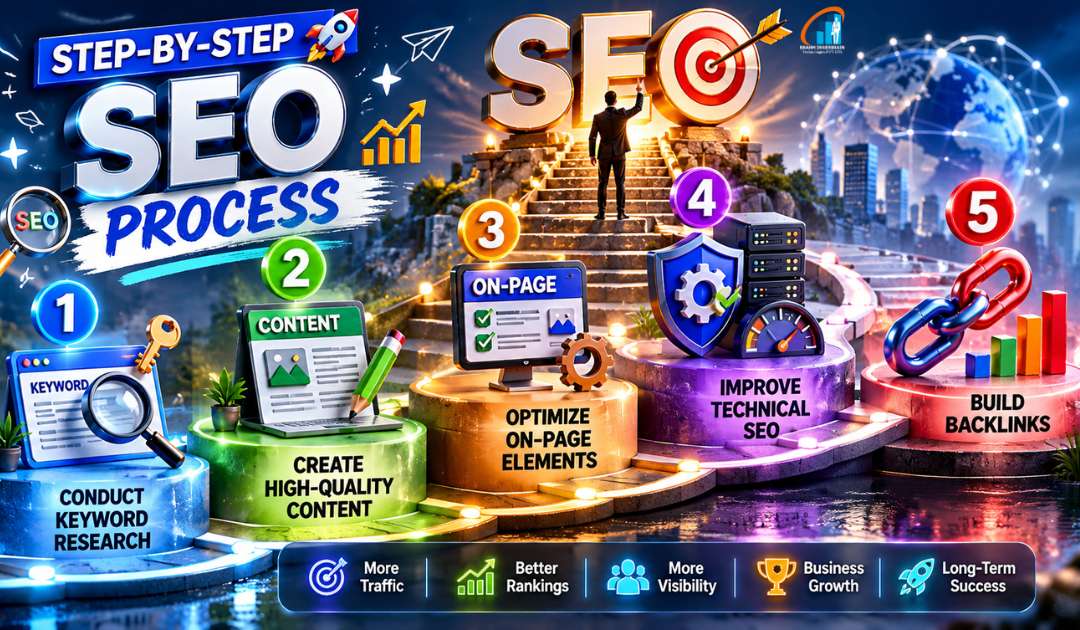
Follow these steps to implement SEO effectively.
Step 1: Conduct Keyword Research
Identify keywords your audience searches for.
Tools include:
– Google Keyword Planner
– Ahrefs
– SEMrush
– Ubersuggest
Step 2: Create High-Quality Content
Write content that solves user problems and answers questions.
Step 3: Optimize On-Page Elements
Improve:
– Title tags
– Meta descriptions
– Headers
– Images
– URLs
Step 4: Improve Technical SEO
Ensure:
– Fast page speed
– Mobile-friendly design
– Proper indexing
Step 5: Build Backlinks
Earn quality backlinks from authoritative websites.
Step 6: Monitor Performance
Track:
– Organic traffic
– Keyword rankings
– Bounce rate
– Conversions
Use tools such as Google Analytics and Google Search Console.
Conclusion
SEO is one of the most powerful digital marketing strategies available today. Understanding what SEO is, how SEO works, and how SEO improves website performance can help businesses achieve long-term online growth.
By focusing on keyword research, quality content, technical optimization, user experience, and authority building, websites can improve search rankings and attract valuable organic traffic. As search engines continue to evolve in 2026, businesses that invest in SEO will remain competitive and visible online.
Ready to Grow Your Website?
Don’t wait for customers to find your competitors first. Start implementing SEO best practices today and build a website that ranks higher, attracts more visitors, and generates more leads. Whether you’re a small business, blogger, or ecommerce brand, a strong SEO strategy can help you achieve sustainable online success.