
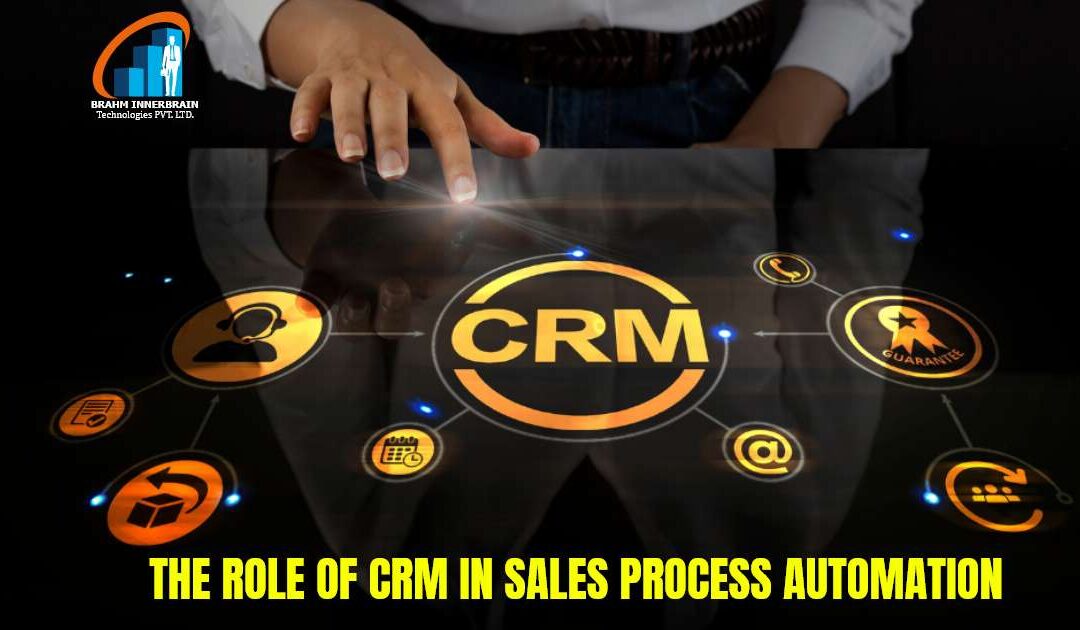
CRM (Customer Relationship Management) systems have quietly evolved into powerhouse engines that drive modern sales teams forward. Today, CRM automation is no longer a luxury but an essential strategy for any business looking to thrive in a competitive marketplace. Let’s take a lively journey through the fun and fascinating world of CRM-powered sales automation—and see why it’s transforming how deals get done.
Why CRM Automation Matters
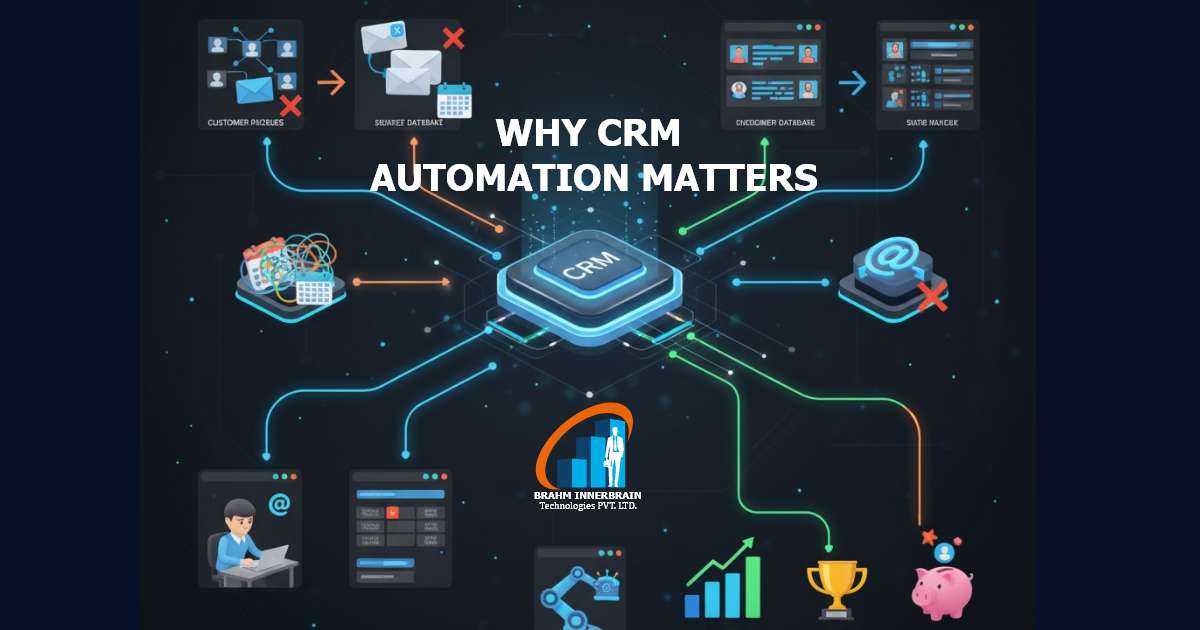
Imagine a world where your sales team never loses a lead in a sea of sticky notes, never forgets another follow-up email, and always knows exactly which prospects are most likely to say yes. CRM platforms make this possible by removing the headaches of manual data entry and guesswork.
In the past, sales teams might have spent hours scrolling through spreadsheets, chasing down phone numbers, and laboriously updating deal statuses. Today, CRM automation acts like an always-on co-pilot, quietly tackling repetitive tasks so humans can do what they do best: build relationships and close deals.
How Does CRM Automation Work?
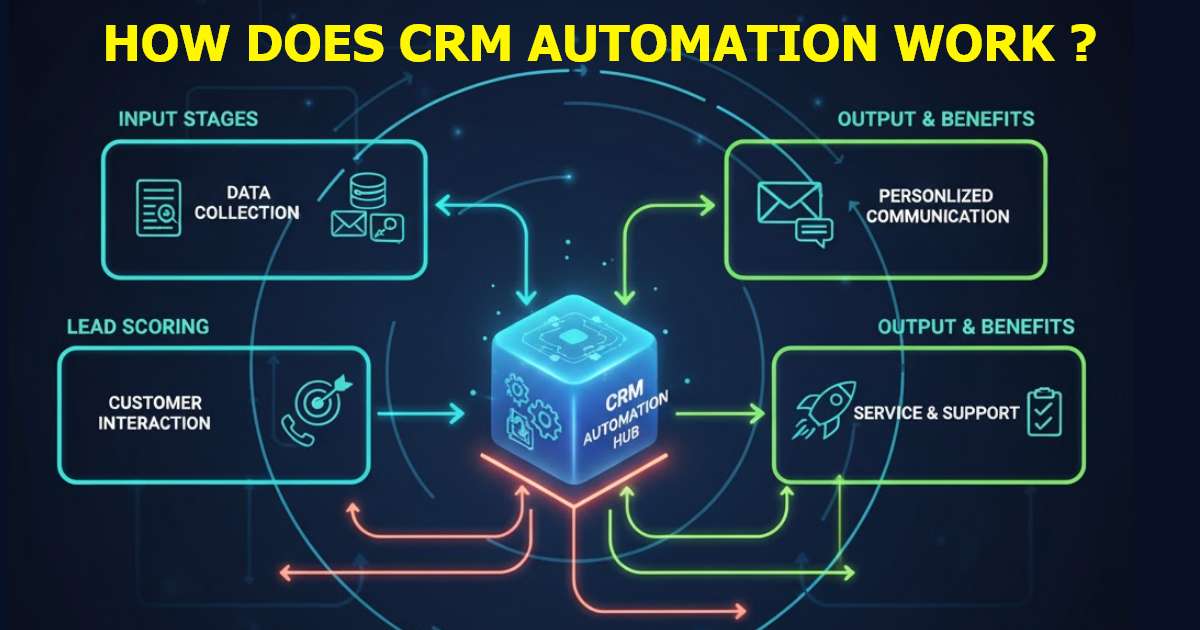
The magic is simple: if/then logic. CRM solutions monitor for specific triggers—such as a prospect filling out a form, opening a sales email, or hitting a milestone value on a deal. When those triggers fire, the CRM jumps into action, automating everything from assigning tasks to sending personalized follow-up messages across email, SMS, or chat.
Consider this: a lead downloads your pricing guide at midnight. Instantly, your CRM adds the prospect to a nurture sequence, alerts the right sales rep, and scores the lead—all before your team has even had their morning coffee. The automation works 24/7, ensuring that opportunities aren’t missed, no matter the time or day.
The Human Benefits of CRM Automation
Salespeople aren’t robots. Their real strengths lie in listening, empathizing, negotiating, and adapting to curveballs from prospects. With CRM automation, repetitive chores like updating contact info or remembering appointment times melt away, freeing up headspace for more meaningful work.
Let’s break down some of the biggest ways CRM automation impacts the sales process:
- Centralized Data: Contacts, opportunities, activities, and plans all live in one easy-to-access hub.
- Lead Management: The system automatically scores leads and suggests the next best action, so your team isn’t guessing who to call next.
- Smart Reminders: Automatic reminders ensure no follow-ups slip through the cracks, improving customer experience and deal outcomes.
Streamlining the Sales Pipeline
Sales processes can be complicated. Opportunities move through multiple stages, and any missed step can mean a lost sale. CRM automation provides real-time insight into every deal’s progress, letting sales managers quickly identify bottlenecks and pinpoint changes that can move deals forward faster.
For example:
- When a deal nears closing, the CRM might automatically generate the needed quote or contract—saving time and preventing errors.
- If a prospect goes cold, the CRM can launch win-back campaigns or alert reps to take action.
With automation handling the logistics, sales cycles shorten and performance improves.
Building Better Customer Relationships
Modern customers expect fast, tailored interactions. CRM automation delivers this by tracking communication history, preferences, and engagement data—offering the sales rep a “single view” of each customer. This empowers teams to respond instantly and personally, whether through targeted emails, chatbots, or direct calls.
This personalized approach boosts customer engagement and satisfaction. Happy customers are more likely to buy again or refer friends—turning leads into long-term fans.
Insights and Analytics: The Secret Sauce
Sales isn’t just an art; it’s increasingly a science. CRM systems provide a treasure trove of data: from win/loss ratios to average sales cycle length, rep performance metrics, and forecasts. Automation turns raw info into actionable insights, enabling smarter strategies and quicker pivots.
Managers get dashboards that visualize everything—helping them see what’s working and what’s not, so teams can shift gears and outperform the competition.
Real-Life CRM Automation Examples
To make things even more vivid, let’s look at what CRM automation does in real life:
- Automated Pipeline Workflows: Prospects who visit key webpages immediately get scored higher and assigned to top reps.
- Smart Deal Notifications: If a deal exceeds a certain value, managers are alerted to provide extra support.
- Cart Abandonment Recovery: For e-commerce sales, CRMs automatically send follow-up emails to recapture lost opportunities.
- Post-Sale Engagement: After a sale, automated thank-you emails and feedback surveys keep customers connected.
Overcoming Business Challenges
The business world moves fast, and adaptability is crucial. CRM automation helps companies scale effortlessly: onboarding new reps becomes a breeze, processes remain consistent, and best practices are built into every workflow.
Even as markets shift or products change, automation ensures your team can pivot quickly. Rules and triggers can be updated on the fly, reflecting new priorities or customer behaviors—no need to rewrite entire playbooks.
The Future: AI and CRM Automation
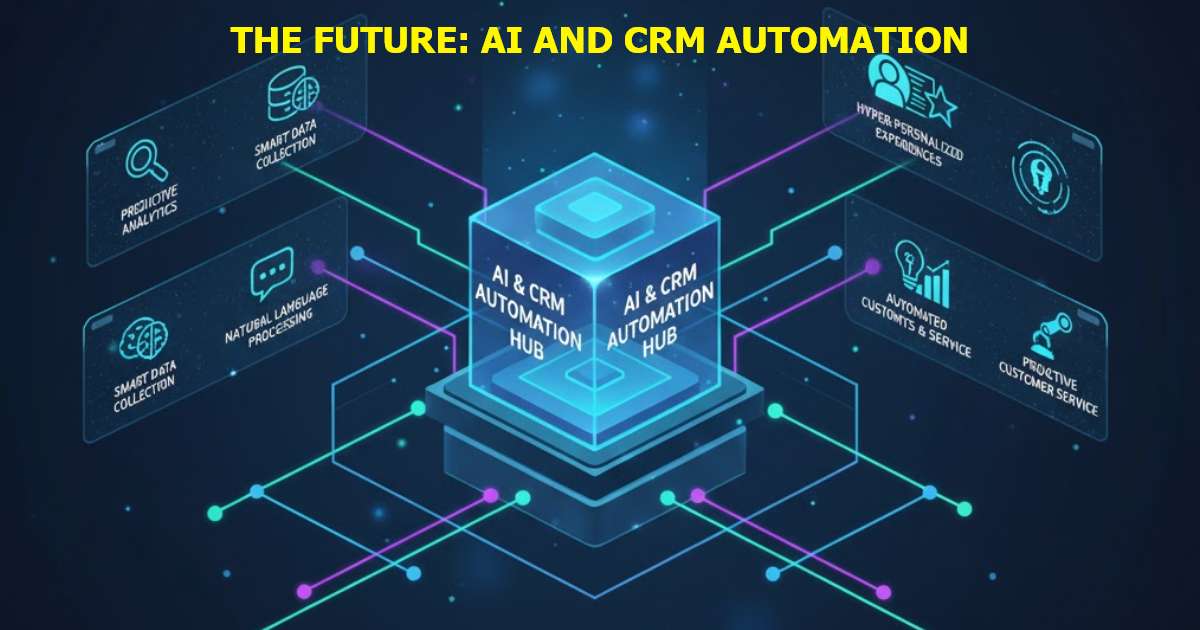
The next wave of CRM automation leverages artificial intelligence (AI), ushering in even smarter sales processes. AI predicts which leads are most promising, suggests winning strategies, and even analyzes customer sentiment from communications. With AI-powered CRMs, automation isn’t just reactive—it’s predictive and insightful.
Conclusion: CRM Automation Is a Game Changer
CRM automation takes the grind out of sales and injects intelligence, speed, and joy into the process. Instead of drowning in paperwork and routine, salespeople can focus on what matters: building bonds, solving problems, and closing deals with confidence. Whether your team is big or small, embracing the automated future of CRM is a sure way to increase productivity, delight your customers, and grow your bottom line.
With CRM automation in their arsenal, sales teams become more human, more effective, and—let’s face it—a whole lot happier. Isn’t that a future worth closing on?CRM (Customer Relationship Management) automation is transforming sales processes, making life easier and more productive for sales teams. By letting technology handle repetitive tasks, salespeople can focus on what truly demands their attention—building relationships, negotiating deals, and celebrating wins.