
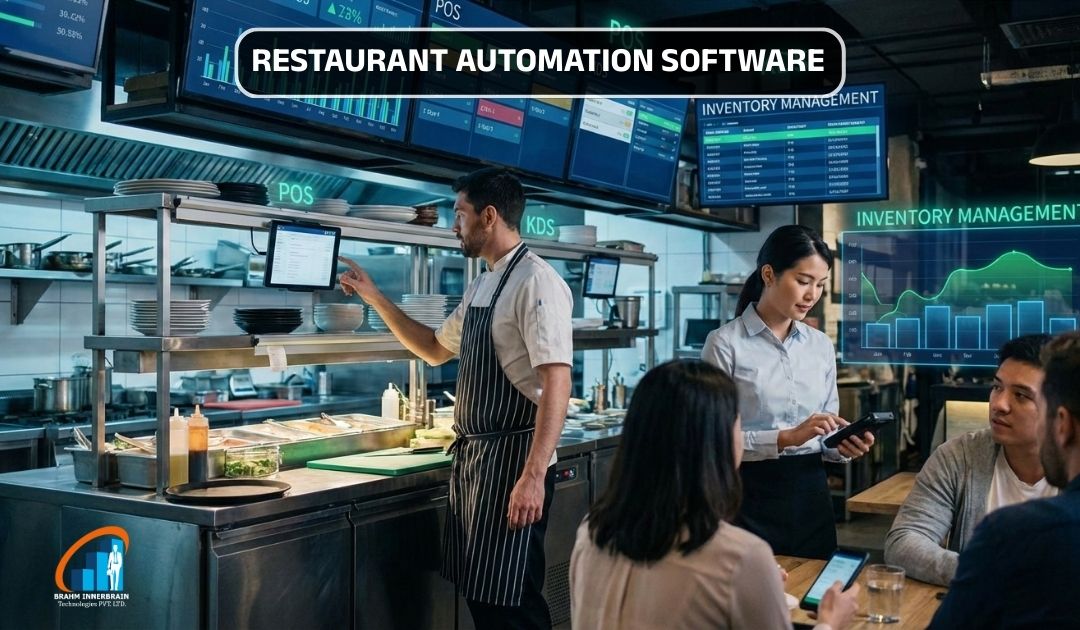
In the highly competitive food and hospitality industry, efficiency and customer experience play a crucial role in success. Restaurant Automation Software has emerged as a powerful solution that helps restaurants manage operations, reduce costs, and improve service quality. From order management to inventory control, automation software simplifies complex tasks and enables restaurants to operate smoothly in the digital age.
This blog explains what restaurant automation software is, its features, benefits, and why it is essential for modern food businesses.
What Is Restaurant Automation Software?
Restaurant Automation Software is a digital system designed to automate daily restaurant operations. It helps manage order processing, billing, inventory, staff scheduling, customer data, and reporting from a single platform.
The software integrates with POS systems, kitchen display systems, online ordering platforms, and payment gateways. By replacing manual processes with automated workflows, restaurants can improve accuracy, speed, and overall productivity.
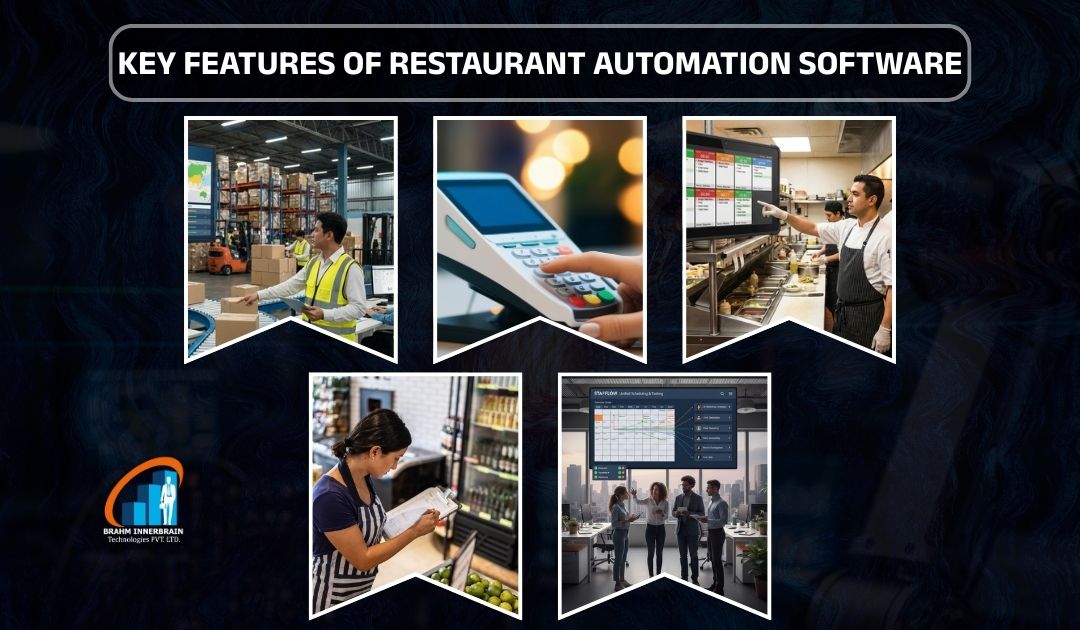
Key Features of Restaurant Automation Software
1. Order Management System
Restaurant automation software enables digital order taking through tablets, self-ordering kiosks, mobile apps, and online platforms. Orders are instantly sent to the kitchen, reducing miscommunication and order errors.
2. Point of Sale (POS) Integration
A modern POS system manages billing, taxes, discounts, and payments efficiently. It supports multiple payment options such as cards, UPI, digital wallets, and cash, ensuring a smooth checkout experience.
3. Kitchen Display System (KDS)
With a kitchen display system, orders appear on digital screens instead of paper tickets. This improves coordination between staff, speeds up food preparation, and reduces order mistakes.
4. Inventory Management
Restaurant automation software tracks ingredient usage in real time. It sends alerts when stock levels are low, helping prevent shortages, overstocking, and food wastage.
5. Staff Management and Scheduling
The software helps manage employee attendance, shift scheduling, and performance tracking. This ensures optimal staffing during peak hours and reduces unnecessary labor costs.
6. Customer Relationship Management (CRM)
CRM features store customer order history, preferences, and feedback. Restaurants can use this data to offer personalized deals, loyalty programs, and targeted promotions.
Benefits of Restaurant Automation Software
Improved Operational Efficiency
Automation reduces manual work and speeds up restaurant operations. Staff can focus more on customer service rather than paperwork and repetitive tasks.
Reduced Human Errors
Digital order processing and automated billing significantly reduce errors caused by manual entry, leading to higher customer satisfaction.
Better Cost Control
Real-time data on inventory, sales, and labor helps restaurant owners control expenses, reduce waste, and increase profit margins.
Enhanced Customer Experience
Faster service, accurate orders, multiple payment options, and personalized offers create a better dining experience and encourage repeat visits.
Data-Driven Business Decisions
Restaurant automation software provides detailed reports on sales trends, peak hours, best-selling items, and customer behavior, helping owners make informed decisions.
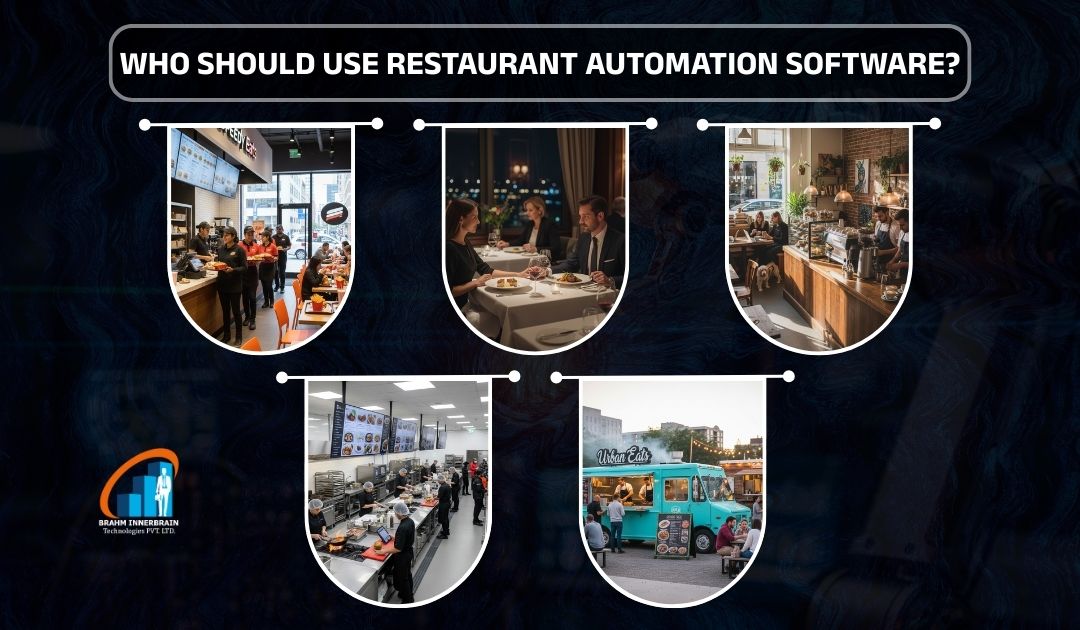
Who Should Use Restaurant Automation Software?
Restaurant automation software is suitable for all types of food businesses, including:
- Quick Service Restaurants (QSRs)
- Fine Dining Restaurants
- Cafés and Coffee Shops
- Cloud Kitchens
- Food Trucks
- Restaurant Chains and Franchises
The software can be customized according to the size and requirements of each restaurant.
Challenges of Restaurant Automation Software
While automation offers many advantages, some challenges include initial setup costs, staff training, and system maintenance. Choosing the right software that fits your budget and business needs is important. Reliable internet connectivity and data security should also be considered.
Why Your Restaurant Needs Automation Software
In today’s digital era, restaurants that rely solely on manual processes struggle to compete. Restaurant Automation Software helps streamline operations, reduce costs, improve service quality, and increase profitability. It is no longer a luxury but a necessity for sustainable growth.
Conclusion
Restaurant Automation Software is transforming how restaurants operate. By automating orders, payments, inventory, and customer management, restaurants can achieve higher efficiency and better customer satisfaction. Whether you run a small café or a large restaurant chain, investing in the right automation software can help your business grow and succeed in the long term.