
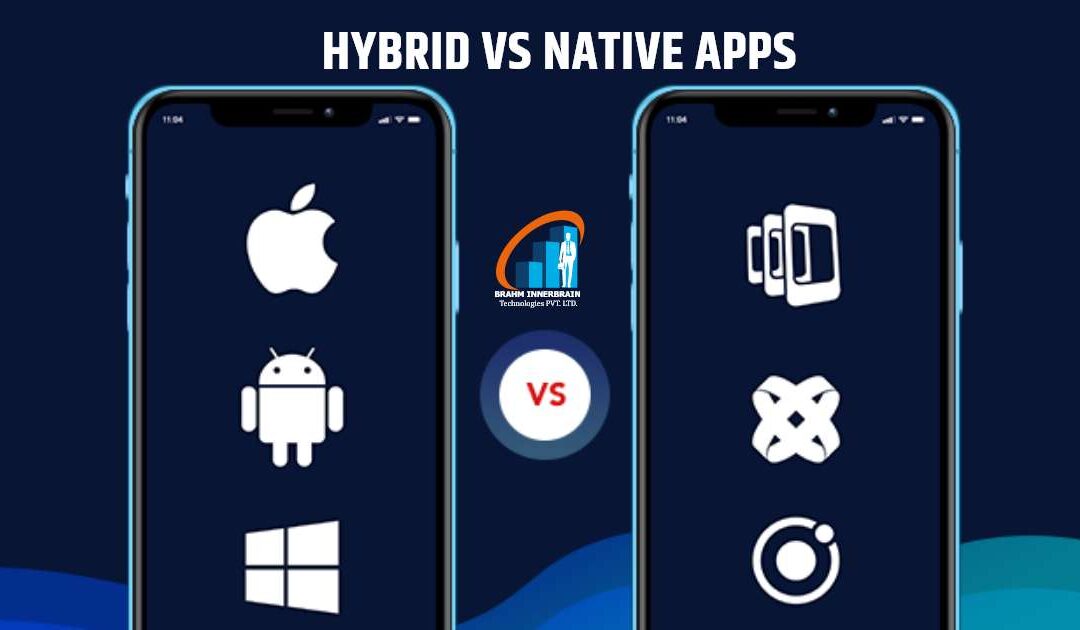
In today’s mobile-first world, businesses cannot ignore the power of mobile applications. A well-built app helps companies engage customers, boost sales, and build brand loyalty. However, when it comes to building an app, businesses face a critical decision: should they choose a Native app or a Hybrid app? Understanding the differences, advantages, disadvantages, and ideal use-cases is essential to make the right choice.
Native apps are built exclusively for a specific platform, like iOS or Android, to fully utilize that system’s features. They use platform-specific programming languages, for example: Swift or Objective-C for iOS, and Java or Kotlin for Android. Because native apps are designed for a specific operating system, they can fully utilize device hardware and software features, such as cameras, GPS, accelerometers, and sensors.
Advantages of Native Apps
Superior Performance – Native apps are tailored for their specific platform, ensuring quick load times, fluid animations, and smooth user interactions.
Full Hardware Access – They can use all device features without limitations.
Enhanced Usability – By following the design standards of each platform, native apps provide an intuitive and user-friendly experience.
Offline Functionality – Data can be stored locally, allowing users to access the app even without an internet connection.
Better Security – Platform-specific development allows robust security measures.
Disadvantages of Native Apps
Higher Development Costs – Separate apps need to be built for iOS and Android.
Longer Development Time – Two codebases mean more time for development and testing.
Complex Maintenance – Updates and bug fixes need to be applied individually for each platform.
Hybrid apps are built using web technologies like HTML, CSS, and JavaScript, then wrapped in a native container using frameworks such as React Native, Flutter, or Ionic. A single hybrid app can run on multiple platforms, reducing development time and cost.
Advantages of Hybrid Apps
Cross-Platform Compatibility – One codebase works on iOS and Android.
Faster Development – Developing a single app is quicker than building multiple native apps.
Lower Maintenance Costs – Updates can be applied across platforms simultaneously.
Access to Some Device Features – Modern frameworks allow usage of camera, GPS, push notifications, and other basic hardware features.
Cost Efficiency – Development and maintenance are more budget-friendly than native apps.
Disadvantages of Hybrid Apps
Performance Constraints – Hybrid apps can be somewhat slower than native apps, particularly when handling graphics-heavy tasks.
Limited Hardware Access – Advanced features like AR or specialized sensors may not be fully accessible.
UI/UX Challenges – It is harder to perfectly match the platform’s design guidelines.
Framework Dependency – Updates or limitations in the framework may affect app performance.
Key Differences Between Native and Hybrid Apps
Native and hybrid apps differ in multiple ways, which businesses must consider before deciding. Native apps are platform-specific, meaning they are built for either iOS or Android, which allows them to deliver excellent performance and a smooth, tailored user experience. They can access all device hardware, including cameras, GPS, and sensors, making them ideal for complex or resource-intensive apps. However, native apps require higher budgets and longer development times, since separate apps must be maintained for each platform. Updates also need to be applied individually, increasing maintenance complexity.
Hybrid apps, on the other hand, are cross-platform, built from a single codebase that works on both iOS and Android. This makes them faster to develop and more cost-effective. While hybrid apps can access many essential device features, some advanced hardware capabilities may be limited. The performance of hybrid apps is generally good but may not match the high-speed responsiveness of native apps, particularly for graphics-heavy applications. The user experience may also feel less customized for each platform. Maintenance is simpler, as a single update applies to all platforms simultaneously.
When to Choose Native Apps
Native apps are ideal for businesses that:
Require high performance and smooth interactions
Need full access to device hardware
Want the best user experience tailored to each platform
Can invest more budget and time in development
When to Choose Hybrid Apps
Hybrid apps are suitable for businesses that:
Want to launch on multiple platforms quickly
Have limited budget and resources
Do not need heavy graphics or advanced hardware features
Prefer simpler maintenance and updates
Real-World Examples
Instagram – Started as a native app, ensuring smooth performance and optimized design.
Uber – Uses a hybrid approach to reach multiple platforms efficiently.
Twitter Lite – Hybrid app reduced data usage and improved accessibility globally.
Emerging Trends
Frameworks like Flutter and React Native have reduced the performance gap between hybrid and native apps.
Progressive Web Apps (PWAs) are becoming another alternative for businesses seeking app-like experiences without relying on app stores.
Cross-platform development tools continue to improve hardware access and UI fidelity.
Making the Right Choice
Choosing between native and hybrid apps depends on:
Business Goals – Performance vs. speed-to-market
Budget – Available funds for development and maintenance
Target Audience – Which platforms your users primarily use
App Complexity – Simple content apps vs. interactive, graphics-heavy apps
Thorough assessment guarantees that the selected approach optimizes ROI while providing an engaging and seamless user experience.
Conclusion
Both native and hybrid apps offer distinct advantages and face certain limitations. Native apps provide maximum performance, superior UI/UX, and full hardware access, but at higher cost and longer development time. Hybrid apps offer cross-platform reach, faster development, and cost savings, though performance and hardware access can be limited.
By analyzing business needs, audience, budget, and technical requirements, companies can make an informed decision. With the advancement of frameworks and tools, the line between native and hybrid experiences is blurring, allowing businesses to deliver high-quality apps faster and more efficiently.