
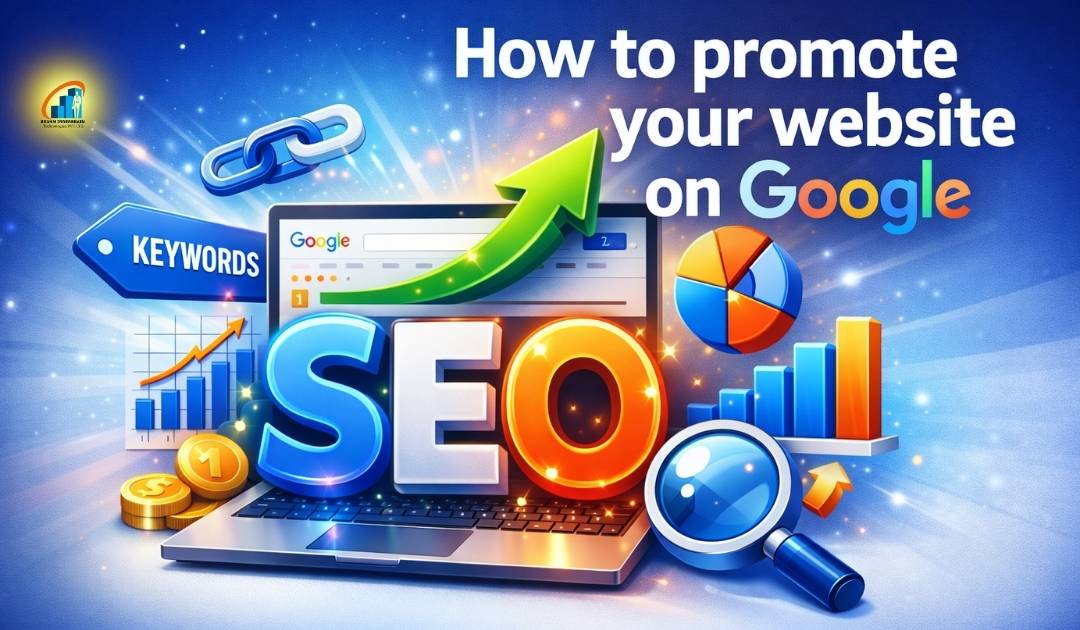
Promoting your website on Google is one of the most effective ways to increase visibility, attract targeted traffic, and grow your online presence. Since millions of users search for information every second, ranking well on Google can bring long-term and consistent results. Below is a clear and structured guide with proper headings to help you promote your website effectively.
Understanding How Google Works
Google’s main objective is to provide users with the most relevant, useful, and trustworthy results. Its algorithms analyze many factors such as content quality, keyword relevance, website speed, mobile-friendliness, and user experience. To promote your website successfully, you must design and optimize it in a way that aligns with these ranking factors.
Search Engine Optimization (SEO)
SEO is the backbone of website promotion on Google. Start by researching keywords that your target audience is actively searching for. Use these keywords naturally in page titles, meta descriptions, headings, and content.
Technical SEO is equally important—ensure fast loading speed, mobile responsiveness, clean URLs, and proper internal linking. A well-optimized website helps Google crawl and rank your pages more efficiently.

Creating High-Quality Content
Content plays a major role in Google rankings. Publishing informative, original, and user-focused content helps build trust and authority. Blog posts, how-to guides, FAQs, and in-depth articles that solve real problems perform well in search results.
Updating your content regularly also signals Google that your website is active and relevant, which can improve long-term rankings.
Using Google Search Console
Google Search Console is a free platform that allows you to monitor your website’s performance on Google. You can track search queries, impressions, clicks, indexing issues, and technical errors.
By using this data, you can improve underperforming pages, fix errors, and optimize content based on real search behavior.
Building High-Quality Backlinks
Backlinks are links from other websites pointing to your site, and they are a strong ranking signal. When authoritative and relevant websites link to your content, Google considers your website more credible.
You can earn backlinks through guest blogging, publishing shareable content, digital PR, and collaborations. Focus on quality over quantity, as spammy links can negatively impact rankings.
Using Google Ads for Instant Visibility
For faster results, paid advertising is highly effective. Google Ads allows your website to appear at the top of search results for selected keywords.
While SEO delivers long-term benefits, Google Ads can bring immediate traffic. Start with a focused campaign, monitor performance, and optimize ads to improve conversions and reduce costs.
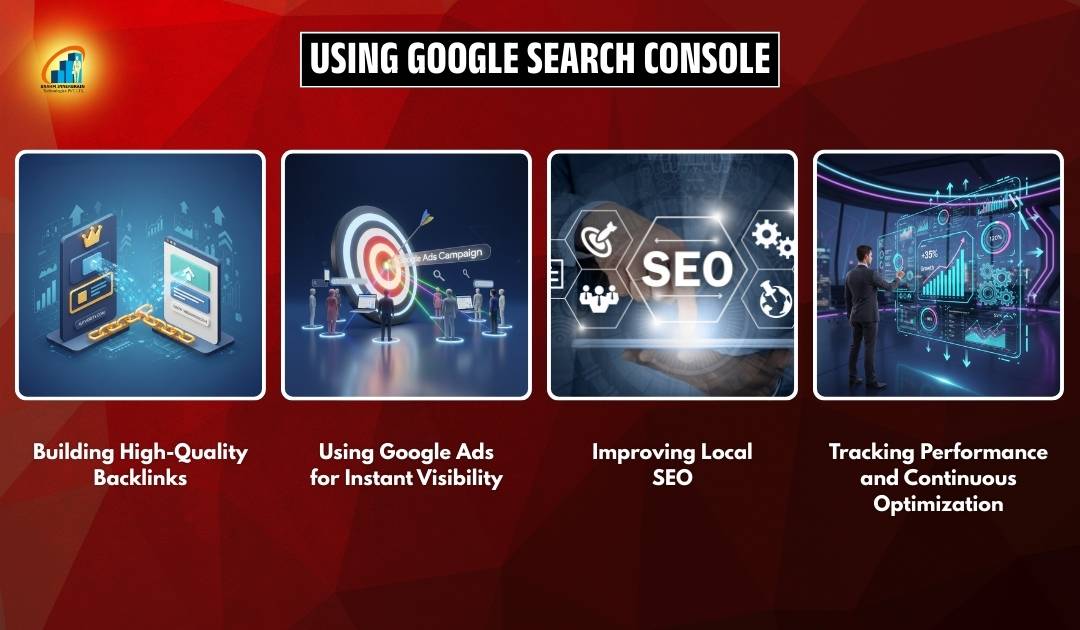
Improving Local SEO
If your business serves a specific location, local SEO is essential. Optimize your Google Business Profile with accurate contact details, services, images, and customer reviews.
This helps your website appear in local search results and Google Maps, increasing visibility among nearby customers who are ready to take action.
Tracking Performance and Continuous Optimization
Website promotion on Google is an ongoing process. Monitor traffic, rankings, bounce rates, and conversions using analytics tools.
By analyzing performance regularly and refining your strategy, you can stay ahead of competitors and achieve consistent growth.
Conclusion
Promoting your website on Google requires a mix of SEO, valuable content, backlinks, paid ads, and continuous optimization. When done correctly and consistently, these strategies can help you achieve higher rankings, attract the right audience, and build long-term online success.