
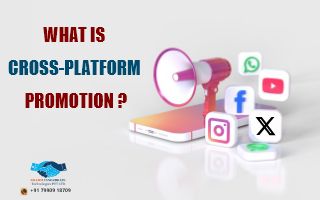
As the computerized scene and the manner in which clients communicate with it keep on developing, it’s a higher priority than any time in recent memory to have a far reaching showcasing methodology. In this blog entry, we will investigate the advantages of cross-stage showcasing and how you can utilize it to think up a triumphant procedure for your image.
Multi-stage showcasing may appear to be overpowering from the start, yet when used accurately, it offers many advantages, including expanded brand mindfulness, broadened reach, further developed client commitment, and more prominent adaptability in refining your advertising procedure.

What is Cross Stage Advertising?
• Paid Media Stages by channel stage
• Advantages of Advertising Across Various Stages
• An Illustration of Cross Stage Publicizing
• Tips for Progress with Cross Stage Showcasing
WHAT IS CROSS Stage Showcasing?
Cross-stage promoting is a computerized showcasing procedure organizations use to meet their crowd where they’re at while streamlining the KPIs they care about most. Advertisers influence stages like paid search, web-based entertainment, email, television, and more to make a few touch focuses among brand and purchaser.
By making a full-channel, multi-touchpoint system, you can develop your market, increment brand mindfulness, drive all the more excellent clients to your site, acquire business, and hold that business.
TIPS FOR Progress WITH CROSS Stage Advertising:
To make the most out of your cross-stage advertising procedure, following a few vital hints for success is significant. In the impending segment, we’ll examine these tips, which will assist you with making an exhaustive promoting plan that resounds with your crowd and drives business development.

From laying out stage explicit objectives to using information, we’ll cover the top tips you really want to know including:
• Making purchaser personas
• Picking the right channels
• Laying out stage explicit objectives
• Building your client process pipe
• Adjusting your substance to the pipe stage
• Attribution
• Using UTM labels
• Testing Testing
• Utilizing your information