

In the modern digital landscape, creating an app is just the beginning. With millions of applications competing for user attention, the true differentiator lies in how your app feels and functions in the hands of your audience. This is exactly where UI and UX design make the real difference. UI/UX design is often called the backbone of a successful app because it creates a user-friendly, intuitive, and enjoyable experience that drives customer satisfaction, engagement, and loyalty.
A great idea may attract users initially, but only a seamless and pleasant experience will keep them coming back. Let’s explore why UI/UX matters so much and how it impacts the success of modern applications.
What is UI/UX Design?
Before understanding its importance, it’s essential to break down what UI and UX mean:
- UI (User Interface): This focuses on the look and feel of an app—the visuals, color schemes, typography, icons, buttons, and layout. UI makes the first impression and sets the tone for the user.
- UX (User Experience): This goes deeper, focusing on usability, navigation, and interaction design. It ensures the app is intuitive, easy to use, and solves the user’s problem without unnecessary friction.
Together, UI is how the app looks, and UX is how the app works. Both must align to create a satisfying journey for the user.
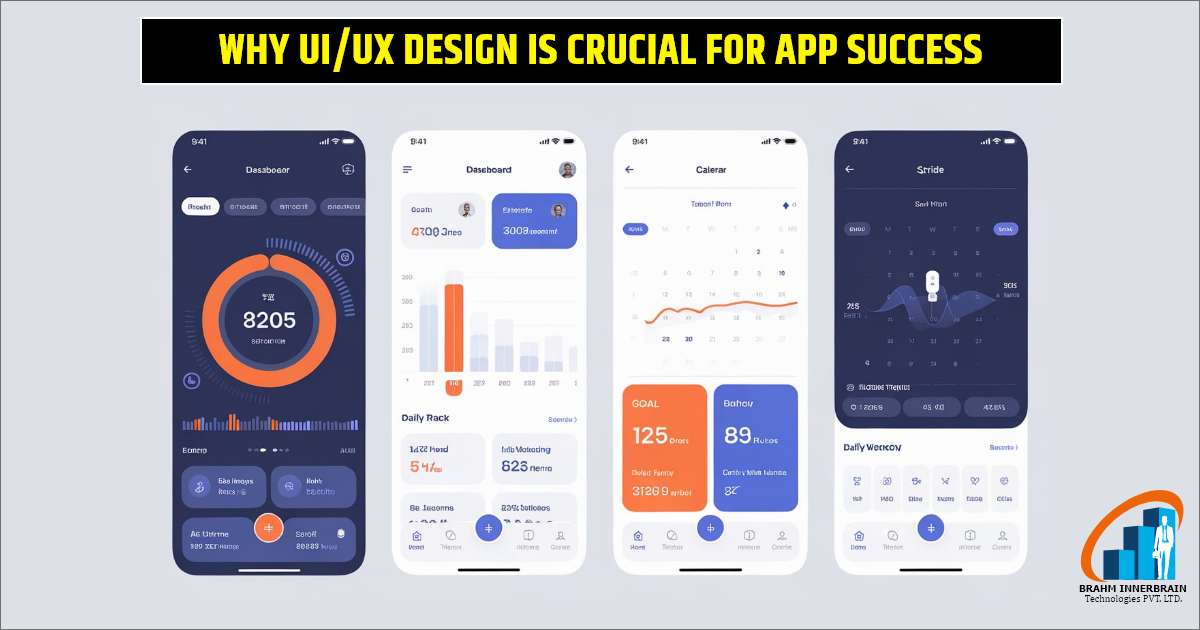
Why UI/UX Design is Crucial for App Success
1. First Impressions Matter
Studies show it takes only a few seconds for users to decide whether they’ll continue using an app. A visually appealing interface (UI) combined with smooth navigation (UX) makes users feel confident that the app is reliable and worth their time.
2. Boosts Customer Satisfaction
When users can accomplish their goals quickly and easily, satisfaction naturally increases. A well-designed app eliminates confusion, reduces errors, and ensures users enjoy the experience.
3. Encourages Engagement and Retention
An app that is simple to use and enjoyable will keep people coming back. Push notifications, personalized suggestions, and seamless navigation—when designed thoughtfully—create deeper engagement. In contrast, poorly designed apps frustrate users, leading to high uninstall rates.
4. Builds Brand Loyalty
UI/UX is not just about functionality; it’s about building trust. A consistent, user-friendly design reflects professionalism and care, making users more loyal to the brand. Over time, this loyalty turns into long-term relationships and repeat usage.
5. Reduces Development Costs in the Long Run
Investing in good UI/UX at the start can save money later. Poor design leads to user complaints, redesigns, and frequent updates, which cost time and resources. With a solid UI/UX foundation, apps require fewer fixes and deliver long-lasting value.

Key Elements of Effective UI/UX Design
1. Simplicity
The best designs are often the simplest. Users should be able to navigate the app without needing a manual.
2. Consistency
From fonts and colors to buttons and icons, consistency across the app builds familiarity. When users know what to expect, their experience becomes smoother and more enjoyable.
3. Responsiveness
Today’s users expect apps to work seamlessly across different devices and screen sizes. Responsive design ensures the app adapts and delivers the same quality experience everywhere.
4. Accessibility
Good UX design considers people of all abilities. Features like voice commands, adjustable text size, and high-contrast themes ensure inclusivity, widening the app’s user base.
5. Feedback Mechanisms
Users should always know what’s happening—whether it’s a loading bar, confirmation message, or error alert. Feedback builds transparency and trust, enhancing the overall user experience.
Real-World Examples of UI/UX Success
- Instagram: Its simple, visually-driven interface and easy navigation make it addictive.
- Airbnb: From booking a stay to making payments, the UX flow is seamless. Users find it intuitive and hassle-free.
- Uber: Clear buttons, real-time updates, and simple ride-booking steps show how strong UI/UX can simplify a complex service.
These apps prove that great design isn’t just about aesthetics—it’s about solving problems effortlessly.
How Businesses Benefit from Strong UI/UX
UI/UX design goes further than meeting user needs; it creates measurable business impact. It directly impacts conversion rates, customer acquisition costs, and overall ROI. A well-designed app not only attracts more downloads but also ensures that users stay active, purchase products, or subscribe to services.
Reports indicate that UX investments can yield an impressive ROI—up to $100 for every $1 spent. This staggering number shows just how valuable good design is for long-term success.
The Future of UI/UX Design
As technology evolves, so do user expectations. The future of UI/UX will likely include:
- Voice and gesture-based interfaces
- AI-driven personalization
- Augmented Reality (AR) and Virtual Reality (VR) experiences
- More emphasis on inclusivity and ethical design
Staying ahead of these trends will ensure that apps remain relevant and competitive in a fast-changing market.
Conclusion
In the crowded world of mobile applications, functionality alone cannot guarantee success. Users demand efficiency, simplicity, and enjoyment—all of which come from strong UI/UX design. It is the backbone of a successful app, shaping the way users perceive, interact with, and remain loyal to a product.
A thoughtfully designed app creates a positive first impression, satisfies customer needs, encourages repeat usage, and builds long-term brand loyalty. Businesses that prioritize UI/UX not only delight their users but also reap significant financial rewards.