
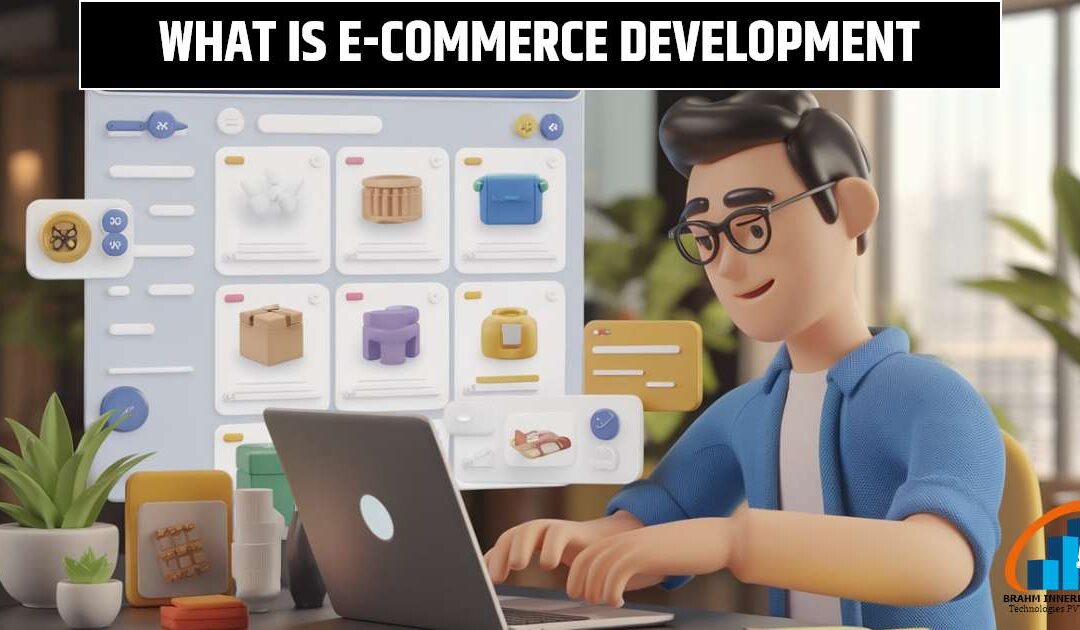
E-commerce development refers to the creation and upkeep of online platforms that empower businesses to market and sell their products or services over the internet. These digital storefronts—also known as e-commerce websites—allow customers to easily navigate through product listings, make purchases, and carry out secure online transactions in a user-friendly virtual space.
E-commerce development encompasses various elements, including front-end and back-end web development, user interface (UI) and user experience (UX) design, payment gateway integration, security implementation, and performance optimization.
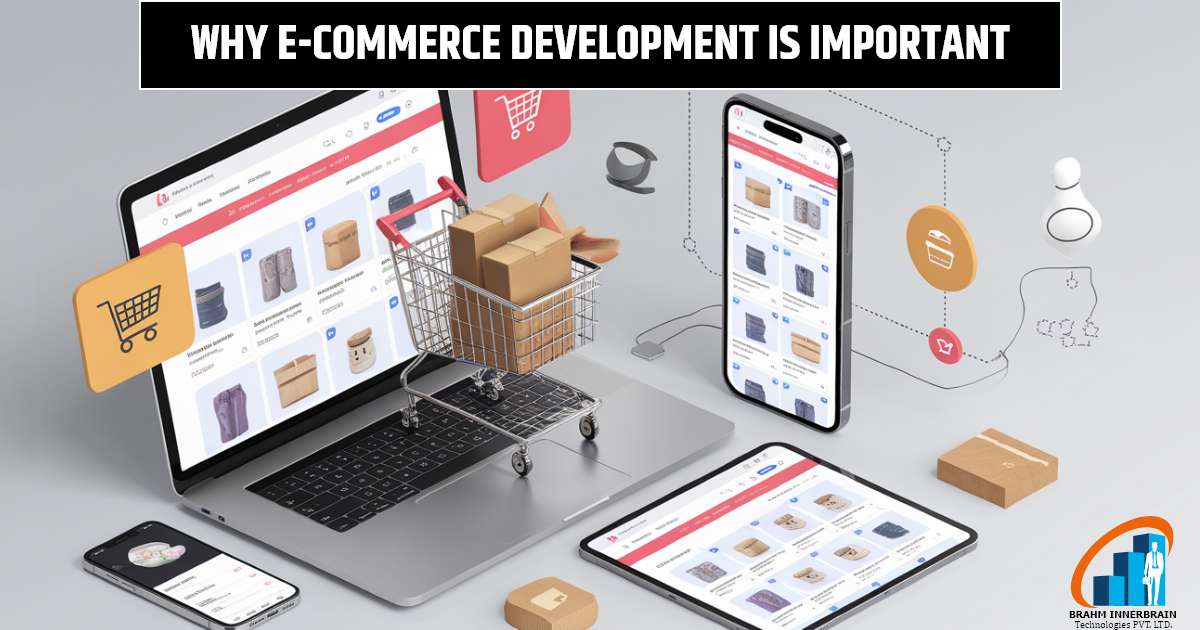
Why E-Commerce Development is Important
In an era where digital experiences often determine brand success, e-commerce development plays a critical role. Here’s why it’s essential:
- Convenience for Customers: Online stores are open 24/7, enabling customers to shop anytime and from anywhere.
- Wider Reach: Businesses can reach a global audience, breaking the limitations of geographical boundaries.
- Cost-Effective Operations: With no need for physical storefronts, overhead costs are significantly reduced.
- Scalability: E-commerce platforms can easily scale to accommodate growth, new products, and expanding markets.
Data and Analytics: Businesses can track customer behavior, purchasing patterns, and website performance in real-time to make data-driven decisions.
Key Components of E-Commerce Development
To build a successful e-commerce platform, several components must come together seamlessly:
1. User-Friendly Design
A clean, intuitive, and responsive design enhances the user experience. From product search to checkout, every interaction should be smooth and simple.
2. Secure Payment Integration
Integrating trusted payment gateways such as PayPal, Stripe, Razorpay, or credit/debit card systems ensures customer trust and safety. To protect user information, it’s essential to implement encryption methods along with SSL certificates for secure data transmission.
3. Mobile Optimization
With more than half of online shopping done via smartphones, mobile responsiveness is a must. An optimized mobile version of the website or a dedicated mobile app can significantly boost conversions.
4. Inventory and Order Management
A robust backend system is essential for managing products, tracking inventory, handling returns, and processing orders efficiently.
5. Search Engine Optimization (SEO)
Proper SEO strategies help an e-commerce site rank higher on search engines, driving organic traffic. From keyword optimization to meta tags and mobile-friendly design, every detail counts.
6. Content Management System (CMS)
A CMS allows admins to easily update products, content, banners, and promotions without needing technical knowledge. Popular platforms like Shopify, WooCommerce (WordPress), Magento, and BigCommerce offer robust CMS capabilities.
Custom vs. Platform-Based E-Commerce Development
There are two main approaches to building an e-commerce site:
- Platform-Based Development: Tools like Shopify, Wix, and WooCommerce provide pre-built templates and tools for quick setup. Ideal for small to medium businesses.
- Custom E-Commerce Development: Involves building a site from scratch using programming languages and frameworks like Laravel, React, Node.js, or Python. Suitable for large businesses with specific needs and a bigger budget.
Trends in E-Commerce Development
The world of e-commerce is constantly evolving. Some key trends shaping its future include:
- AI and Chatbots: Automating customer service, offering personalized product recommendations, and enhancing user interaction.
- Voice Commerce: Integration of voice assistants like Alexa or Google Assistant for hands-free shopping.
- AR/VR Integration: Virtual try-ons for clothing, makeup, or furniture give customers a realistic shopping experience.
- Headless Commerce: Separating the frontend and backend allows for more flexibility and faster performance across devices.
Challenges in E-Commerce Development
Although e-commerce development unlocks numerous advantages, it also comes with its share of challenges, including:
- Security Concerns: Protecting customer data from cyber threats is crucial.
- Technical Complexity: Building a fast, scalable, and responsive platform requires skilled developers and constant maintenance.
- High Competition: The e-commerce space is crowded. To remain noticeable in the crowded market, businesses must consistently innovate and leverage effective digital marketing.
Conclusion
E-commerce development is more than just building a website—it’s about creating a powerful digital storefront that provides value to customers and drives business growth. In a world that is increasingly digital, investing in the right e-commerce development strategies can help businesses not only survive but thrive in the competitive online marketplace.
Whether you’re a startup launching your first product or a traditional retailer moving online, a well-developed e-commerce platform is your gateway to global success.