
In the 21st century, information is no longer limited to books, paper files, or handwritten notes. It flows through devices, clouds, and cables — shaping decisions, predicting futures, and powering innovation. This revolution is all because of digital information.
What Exactly is Digital Information?
Digital information is any data stored or shared in a format that computers and digital systems can understand. It includes text, images, audio, video, codes, or even biometric signals — all stored as binary digits (0s and 1s).
But more than just a format, digital information is how we communicate, decide, and evolve.
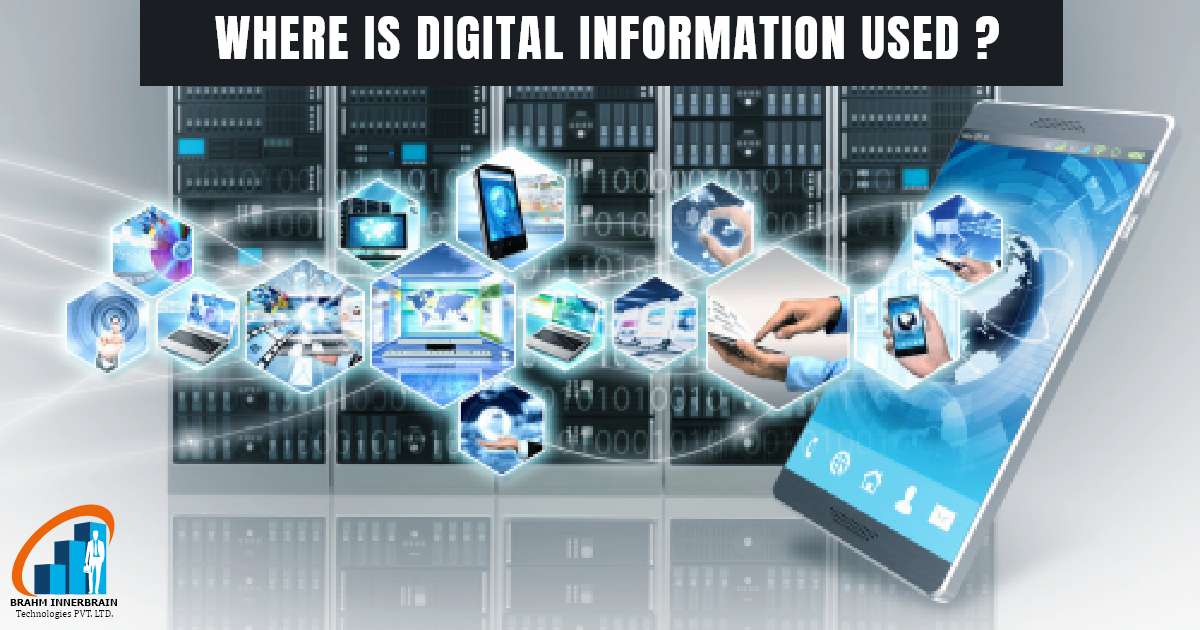
Where is Digital Information Used? (With Real-World Impact)
In Healthcare:
- MRI scans, patient records, lab results — all stored digitally.
- Helps doctors access history in seconds and save lives faster.
In Business:
- Companies analyze sales data to understand customers.
- Digital analytics helps brands predict what people want before they ask.
In Education:
- E-learning tools like video lectures, mobile textbooks, and virtual assessments are reshaping how and where we learn.
- AI-based learning tools adapt to each student’s pace.
In Innovation:
- Autonomous vehicles navigate the roads by processing live traffic patterns and high-precision digital maps.
- Space agencies use digital telemetry to control satellites from Earth.
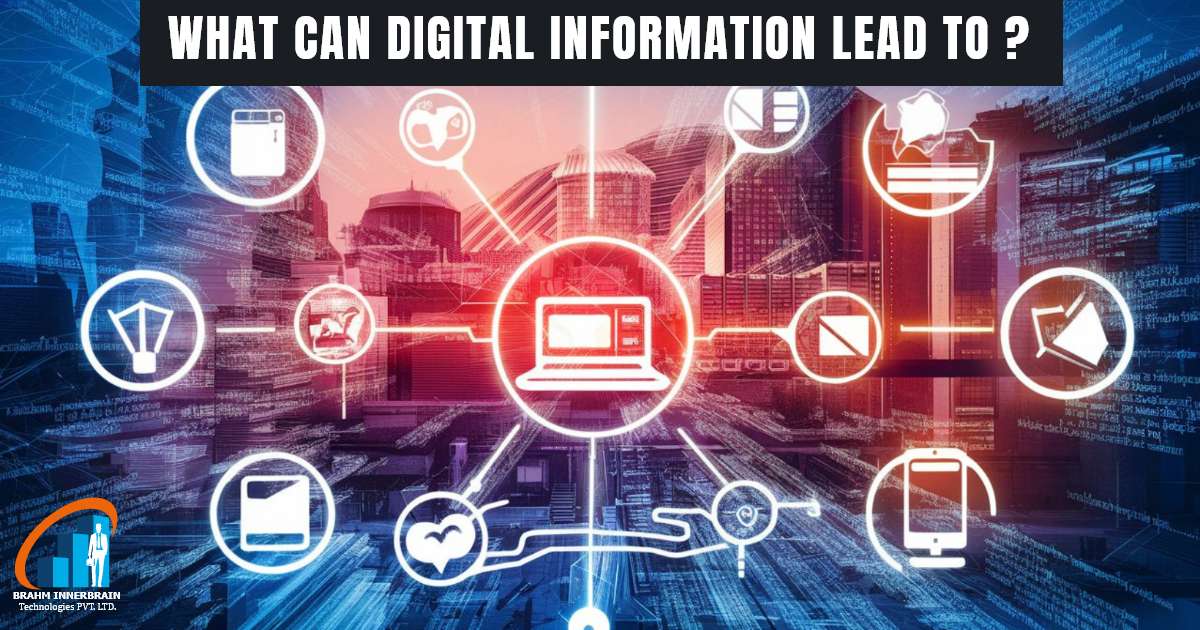
What Can Digital Information Lead To? (Beyond Storage)
- Smarter Decisions: When a farmer uses weather data, he waters crops at the perfect time.
- Faster Response: Emergency teams track natural disasters in real-time.
- Personalization: Your Netflix shows? All recommended through digital behavior analysis.
- Global Collaboration: Scientists from different continents co-create through shared digital labs.
Conclusion: More Than Data — It’s a Digital Language
Digital information is not just “stored data” — it’s a living, flowing force that connects people, predicts patterns, and pushes progress. Used wisely, it can cure disease, improve education, boost the economy, and even protect the planet.
It’s not about data anymore — it’s about digital intelligence.