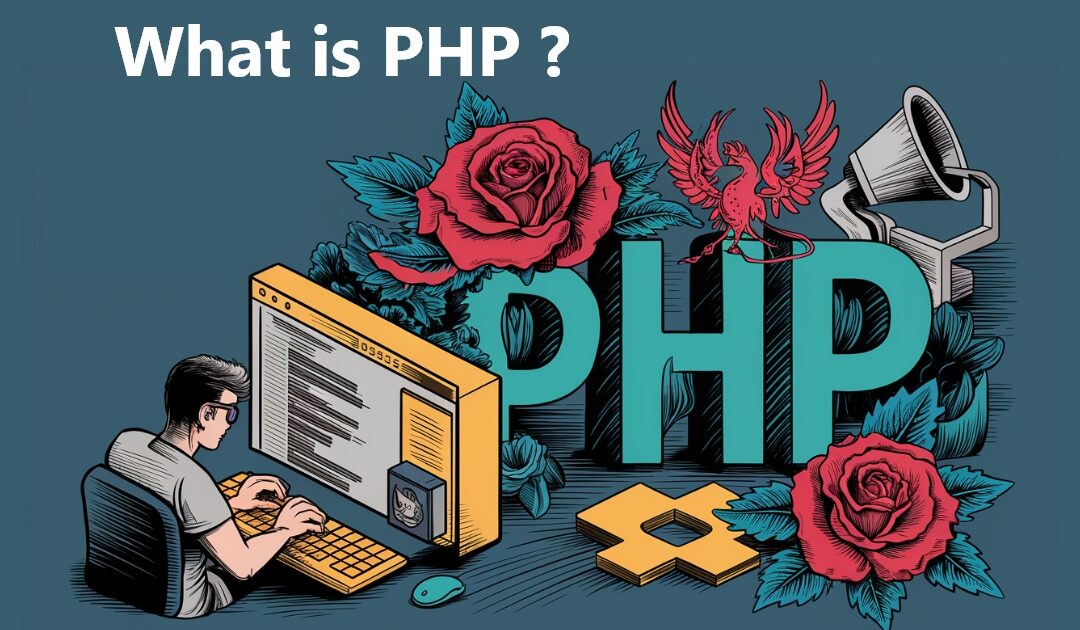
PHP, It is stands for Hypertext Preprocessor. It is a popular server-side scripting language designed for web development. Manually It also used as a general-purpose programming language. It enables developers to embed dynamic content into web pages and interact with databases.
What are the components of PHP?
• PHP Core
• PHP Standard Library (SPL)
• Extensions
• Frameworks
• Content Management Systems (CMS)
• Development Tools

1) PHP Core:-
The PHP Core is the foundational component of the PHP language, encompassing the core engine that compiles and executes PHP scripts. The core includes fundamental functionalities, such as variable handling, control structures, functions, and error handling. Additionally, the PHP Core is optimized for performance, which allows it to manage resources efficiently, making it capable of handling multiple requests concurrently on a web server. Continuous improvements to the PHP Core, including the introduction of new features and enhancements in syntax and error handling, contribute to increasing PHP’s popularity and usability in modern development.
2) PHP Standard Library (SPL):-
The PHP Standard Library (SPL) is a set of data structures and interfaces that serve as a foundation for building applications. Key features include the SPL ArrayObject, which allows objects to act like arrays, and SPL Data Structures, such as stacks, queues, and linked lists. Through SPL, developers can write more efficient, organized, and maintainable code while adhering to best practices in data handling.
3) Extensions:-
PHP’s extensibility is one of its significant advantages, thanks to its robust extension architecture. Extensions are additional libraries that extend the fundamental capabilities of PHP, allowing developers to perform a wide range of tasks that the core language might not support intrinsically.For instance, PHP has database extensions like PDO (PHP Data Objects) and MySQLi (MySQL Improved) that provide seamless interaction with various database systems.
4) Frameworks:-
PHP frameworks are collections of pre-built code libraries and components designed to streamline web application development. By following established design patterns, such as MVC (Model-View-Controller), PHP frameworks promote code reusability, modularity, and adherence to best practices. Laravel is one of the most popular PHP frameworks, celebrated for its elegant syntax, robust tools such as Eloquent ORM for database interaction, and a rich ecosystem of packages. Other frameworks like CodeIgniter and Yii are also favoured for their simplicity and performance.
5) Content Management Systems (CMS):-
Content Management Systems (CMS) built on PHP provide users with the ability to easily create, manage, and modify content on websites without needing extensive technical knowledge. Drupal and Joomla are other powerful CMS options that cater to more complex sites requiring advanced functionality. Drupal is known for its scalability and flexibility, making it suitable for larger organizations, while Joomla strikes a balance between user-friendliness and extensibility.
6)Development Tools:-
A vital aspect of modern PHP development is the array of tools available to enhance developer productivity, streamline workflows, and ensure high code quality. Integrated Development Environments (IDEs) like PHPStorm provide powerful features such as code completion, debugging, and integration with version control systems. Other valuable tools in the PHP ecosystem include Xdebug, which provides debugging and profiling capabilities, allowing developers to identify performance bottlenecks or code issues effectively.PHP developers can produce robust and maintain code while significantly reducing time spent on repetitive tasks.
What are the benefits of PHP?
1) Ease of Learning and Use
2) Open Source
3) Cross-Platform Compatibility
4) Strong Community Support
5) Frameworks and Libraries

1) Ease of learning and use:-
PHP’s syntax is generally considered more accessible than that of many other programming languages. It borrows common elements from languages like C, C++, and Java, making it easier for developers familiar with those languages to pick it up. PHP allows developers to implement functionality quickly due to its straightforward syntax and extensive built-in functions.A multitude of online tutorials, documentation, and community forums are available, which provide guidance for both beginners and seasoned developers.
2) Open Source:-
Being open source means PHP is free to download and use, eliminating licensing costs associated with many proprietary software solutions. The open-source nature of PHP means that a global community of developers actively contributes to its ongoing development and improvement. They can modify the source code to suit their specific requirements, creating custom features or enhancing existing functionality.
3) Cross-Platform Compatibility:-
PHP can carry on various operating systems, including Linux, Windows, and macOS. PHP is compatible with many web servers, including Apache, Nginx, and Microsoft IIS. This compatibility provides additional deployment options and allows developers to choose the server that best meets their performance and scalability needs.
4) Strong Community Support:-
PHP has a large and active community comprising developers, educators, and enthusiasts.The official PHP documentation is comprehensive and regularly updated, serving as a reliable reference for developers at all skill levels. The development of PHP evolves continually, driven by the community’s active engagement. The PHP community hosts conferences, meetups, and workshops around the world, providing opportunities for networking, skill development, and knowledge exchange.
5) Frameworks and Libraries:-
PHP has a wide array of frameworks that offer various features and capabilities, enabling developers to choose one that best aligns with their project needs. Lightweight and straightforward, CodeIgniter is ideal for smaller projects and developers looking for a simple yet powerful framework without unnecessary overhead.